
Tooth Pain at Night? Causes & How to Stop It
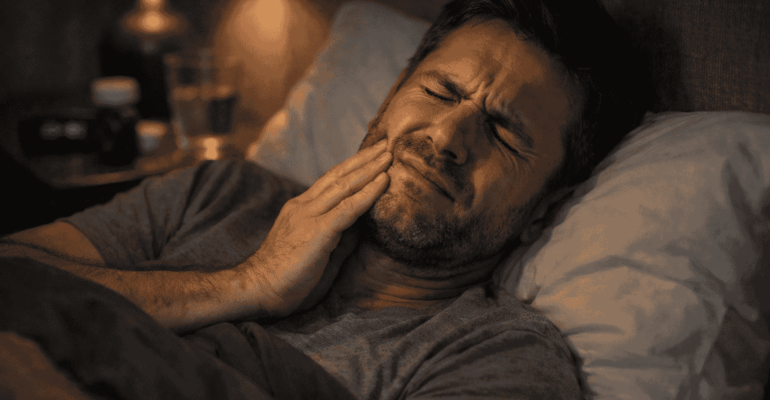
Tooth Pain at Night? Causes & How to Stop It
Experiencing tooth pain at night can be frustrating and disruptive, often making it difficult to sleep. Many people notice that their toothache feels worse when lying down or trying to rest.
While the pain may seem sudden, nighttime tooth pain is usually a sign of an underlying dental issue that needs attention.
According to the American Dental Association, persistent tooth pain is often an indication of decay, infection, or inflammation that should be evaluated by a dentist.
In this article, we’ll explore the causes of tooth pain at night, how to relieve it, and when to seek professional care.
Table of Contents
- Why Tooth Pain Gets Worse at Night
- Common Causes of Tooth Pain at Night
- How to Relieve Tooth Pain at Night
- When to See a Dentist
- Prevention Tips
- FAQs
Why Does Tooth Pain Get Worse at Night?
Many people wonder why their teeth hurt more at night than during the day.
There are a few reasons:
- Increased blood flow to the head when lying down can intensify pain
- Fewer distractions make pain feel more noticeable
- Teeth grinding during sleep can add pressure
- Sinus pressure may worsen when lying flat
These factors can make even mild dental issues feel more severe at night.
Common Causes of Tooth Pain at Night
1. Tooth Decay (Cavities)
Cavities are one of the most common causes of tooth pain at night. As decay progresses, it reaches deeper layers of the tooth and irritates the nerve.
Symptoms include:
- Persistent toothache
- Sensitivity to sweets or cold
- Pain that worsens at night
2. Dental Abscess (Infection)
A dental abscess is a serious infection that can cause severe throbbing pain, especially at night.
Symptoms may include:
- Intense, constant pain
- Swelling in gums or face
- Fever
- Bad taste in the mouth
According to the Mayo Clinic, dental infections should be treated immediately to prevent complications.
3. Teeth Grinding (Bruxism)
Many people grind their teeth while sleeping without realizing it. This puts pressure on teeth and can cause nighttime pain.
Signs include:
- Jaw pain in the morning
- Headaches
- Worn teeth
4. Cracked Tooth
A cracked tooth may not hurt much during the day but can cause sharp pain at night, especially when pressure is applied.
Symptoms:
- Pain when chewing
- Sensitivity to temperature
- Intermittent sharp pain
5. Gum Disease
Gum inflammation can cause discomfort that becomes more noticeable at night.
Common signs include:
- Bleeding gums
- Swelling
- Bad breath
The Centers for Disease Control and Prevention highlights gum disease as a major cause of oral discomfort if left untreated.
How to Relieve Tooth Pain at Night
While professional treatment is necessary for long-term relief, there are a few ways to reduce discomfort at home:
1. Elevate Your Head
Keeping your head elevated reduces blood pressure in the affected area and may help decrease pain.
2. Use a Cold Compress
Apply a cold pack to the outside of your cheek to numb the area and reduce inflammation.
3. Take Over-the-Counter Pain Relievers
Medications like Ibuprofen can help temporarily manage pain and inflammation.
4. Avoid Trigger Foods
Stay away from hot, cold, or sugary foods before bedtime.
5. Rinse with Salt Water
A warm saltwater rinse can help reduce bacteria and soothe irritated gums.
When Should You See a Dentist?
Temporary relief methods can help manage symptoms, but they do not treat the underlying cause.
You should see a dentist if:
- Pain lasts more than two days
- The pain is severe or worsening
- Swelling or fever is present
- You have difficulty chewing
Ignoring tooth pain can lead to serious complications.
How to Prevent Tooth Pain at Night
Preventive care can reduce the risk of nighttime toothaches.
Here are some tips:
- Brush and floss before bed
- Avoid late-night sugary snacks
- Wear a night guard if you grind your teeth
- Visit your dentist regularly
- Treat dental issues early
The National Institute of Dental and Craniofacial Research emphasizes preventive care as key to long-term oral health.
Tooth Pain at Night? When to See a Dentist
If you’re dealing with tooth pain at night, it’s important to address the issue before it worsens.
The team at Ramlaoui DDS can diagnose the cause of your pain and provide effective treatment to restore comfort and protect your oral health.
Prompt care can prevent complications and help you sleep comfortably again.
Frequently Asked Questions
Why is tooth pain worse at night?
Tooth pain often worsens at night due to increased blood flow to the head and fewer distractions.
How can I stop tooth pain at night fast?
Using a cold compress, taking pain relievers, and elevating your head can help reduce discomfort temporarily.
Is nighttime tooth pain a dental emergency?
It can be, especially if accompanied by swelling, fever, or severe pain.
Can tooth pain at night go away on its own?
Some mild cases may improve, but persistent pain usually requires dental treatment.
Final Thoughts
Tooth pain at night is often a sign of an underlying dental issue such as decay, infection, or teeth grinding. While temporary relief methods may help, professional care is essential for long-term solutions.
If your tooth pain persists or worsens, scheduling a dental visit is the best way to protect your oral health. The experienced team at Ramlaoui DDS is here to help diagnose the cause and provide the right treatment so you can get back to pain-free nights.

