
Unraveling Dental Myths: Facts, Tips, and Awareness for Better Oral Health
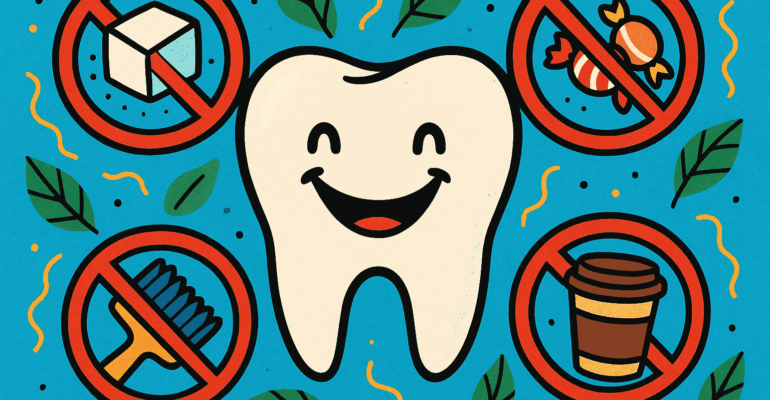
Unraveling Dental Myths: Facts, Tips, and Awareness for Better Oral Health
In a world flooded with information, it’s easy to fall prey to misconceptions about dental care. From old wives’ tales passed down through generations to viral social media trends, myths can lead to poor habits that harm our teeth and gums. As we dive into this blog post, we’ll debunk some of the most common dental myths, back them up with facts, and share practical know-how to help you maintain a healthy smile. Whether you’re a busy professional, a parent, or just someone curious about oral health, this guide aims to empower you with knowledge for informed decisions.
Myth 1: Sugar Is the Only Culprit Behind Tooth Decay
The Myth
Many believe that sugar alone causes cavities, leading people to think that cutting out sweets is enough to prevent decay.
The Fact
While sugar does play a role by feeding harmful bacteria in the mouth, it’s not the sole villain. Tooth decay, or caries, occurs when acids produced by bacteria erode tooth enamel. These bacteria thrive on any fermentable carbohydrates, including those in bread, pasta, and even fruits. The real issue is how long these acids linger on your teeth—frequent snacking without brushing exacerbates the problem.
Know-How Tip
To combat this, adopt the “2×2 rule”: Brush twice a day for two minutes each time using fluoride toothpaste. Pair this with flossing daily to remove plaque from between teeth. If you’re prone to snacking, rinse your mouth with water afterward to neutralize acids. Awareness point: According to dental health organizations, maintaining a balanced diet low in processed carbs and high in veggies can significantly reduce decay risk.
Myth 2: Brushing Harder Means Cleaner Teeth
The Myth
A common belief is that scrubbing your teeth vigorously will remove more plaque and stains, leading to a brighter smile.
The Fact
Overzealous brushing can actually wear down enamel, cause gum recession, and lead to sensitivity. Enamel is the hardest substance in the body but isn’t indestructible. Soft-bristled toothbrushes and gentle circular motions are far more effective and safer.
Know-How Tip
Invest in an electric toothbrush with a pressure sensor to avoid brushing too hard. Replace your toothbrush every three months or sooner if bristles fray. For awareness, studies show that improper brushing contributes to up to 80% of gum disease cases—gentle technique is key to long-term oral health.
Myth 3: Gum Disease Only Affects Older People
The Myth
People often think gingivitis and periodontitis are “senior” issues, dismissing early signs in younger adults.
The Fact
Gum disease can strike at any age, with risk factors including smoking, poor nutrition, stress, and genetics. It starts as gingivitis (inflamed gums) and can progress to periodontitis, where bone loss occurs, potentially leading to tooth loss. Early detection is crucial, as it’s reversible in initial stages.
Know-How Tip
Watch for symptoms like bleeding gums, bad breath, or loose teeth. Incorporate antimicrobial mouthwash into your routine and schedule regular cleanings. Raising awareness: Global health reports indicate that nearly half of adults over 30 show signs of gum disease, emphasizing the need for proactive care from a young age.
Myth 4: Whitening Toothpastes Can Dramatically Whiten Teeth
The Myth
Advertisements promise movie-star smiles from whitening toothpastes, leading consumers to expect transformative results.
The Fact
These pastes contain mild abrasives or chemicals that remove surface stains but don’t alter the tooth’s natural color. For deeper whitening, professional treatments or over-the-counter kits with peroxide are more effective, but overuse can cause sensitivity.
Know-How Tip
For natural whitening, try oil pulling with coconut oil or eating crunchy fruits like apples to scrub away stains. Always consult a professional before starting any whitening regimen to avoid enamel damage. Fun fact for awareness: Tooth color is genetically determined, so expectations should be realistic—focus on health over aesthetics.
Myth 5: Baby Teeth Don’t Matter Since They Fall Out
The Myth
Some parents overlook caring for primary teeth, assuming they’re temporary and unimportant.
The Fact
Baby teeth guide permanent teeth into position and aid in speech development and nutrition. Decay in them can spread to underlying adult teeth, causing alignment issues or infections.
Know-How Tip
Start oral care early—wipe gums with a soft cloth before teeth erupt, and begin brushing with a rice-grain-sized amount of fluoride toothpaste at the first tooth. Encourage healthy habits like limiting sugary drinks. Awareness alert: Childhood cavities are preventable, yet they’re the most common chronic disease in kids, highlighting the importance of early education.
Final Thoughts: Empowering Your Dental Journey
Debunking these myths isn’t just about correcting misinformation—it’s about fostering a culture of awareness and proactive care. By understanding the facts and applying simple know-how, you can prevent many common dental issues and enjoy a lifetime of healthy smiles. Remember, oral health is linked to overall well-being, influencing everything from heart health to confidence. If something feels off, don’t hesitate to seek professional advice. Stay informed, stay healthy!

