
Bleeding Gums When Brushing? Causes & Treatment
Bleeding Gums When Brushing? Causes & Treatment
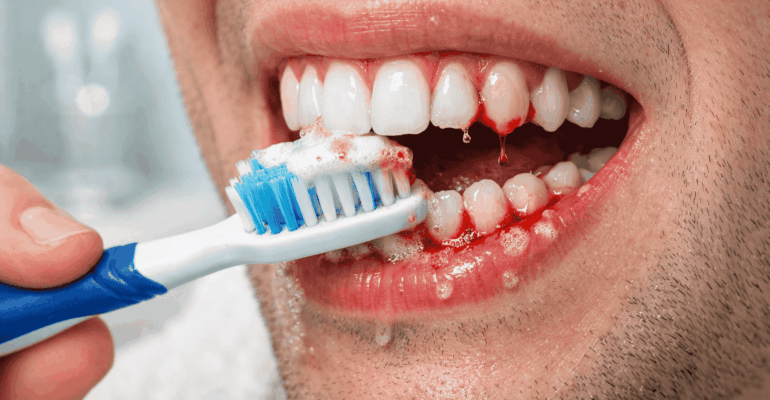
Experiencing bleeding gums when brushing is a common dental issue that many people ignore. While occasional bleeding may seem harmless, it is often a sign that your gums need attention.
Healthy gums should not bleed during brushing or flossing. If they do, it may indicate inflammation, poor oral hygiene, or early stages of gum disease.
According to the American Dental Association, bleeding gums are one of the earliest warning signs of gum disease and should not be ignored.
In this article, we’ll explore the causes of bleeding gums when brushing, treatment options, and when you should see a dentist.
Table of Contents
- What Causes Bleeding Gums
- Is It a Sign of Gum Disease?
- When to See a Dentist
- Treatment Options
- Prevention Tips
- FAQs
What Causes Bleeding Gums When Brushing?
If your gums bleed when brushing, it usually means the gum tissue is inflamed or irritated.
Common causes include:
- Plaque buildup along the gumline
- Brushing too hard
- Skipping flossing
- Vitamin deficiencies
- Certain medical conditions
The most common cause, however, is plaque accumulation, which can lead to gum disease if not treated.
For more information about oral health and gum conditions, the Centers for Disease Control and Prevention provides detailed guidance on maintaining healthy gums.
Is Bleeding Gums a Sign of Gum Disease?
Yes — in many cases, bleeding gums when brushing is an early sign of gum disease, also known as gingivitis.
Gum disease develops in stages:
1. Gingivitis (Early Stage)
- Red, swollen gums
- Bleeding when brushing or flossing
- Mild discomfort
At this stage, gum disease is reversible with proper care.
2. Periodontitis (Advanced Stage)
- Gum recession
- Loose teeth
- Persistent bad breath
- Bone loss around teeth
According to the Mayo Clinic, untreated gum disease can lead to tooth loss and other health complications.
Other Causes of Bleeding Gums
While gum disease is the most common cause, other factors may contribute:
Brushing Too Hard
Using excessive force while brushing can irritate the gums and cause bleeding.
Poor Flossing Habits
If you don’t floss regularly, your gums may bleed when you start again due to inflammation.
Vitamin Deficiencies
A lack of vitamin C or vitamin K may affect gum health.
Hormonal Changes
Pregnancy or hormonal shifts can increase gum sensitivity.
Smoking
Smoking weakens gum tissue and increases the risk of gum disease.
When Should You See a Dentist?
You should not ignore bleeding gums when brushing, especially if it happens frequently.
Seek dental care if:
- Bleeding continues for more than a week
- Gums appear swollen or red
- You notice gum recession
- You have persistent bad breath
Early treatment can prevent gum disease from progressing.
How Dentists Treat Bleeding Gums
Treatment depends on the cause and severity of the condition.
A dentist may recommend:
- Professional dental cleaning to remove plaque and tartar
- Deep cleaning (scaling and root planing)
- Improved oral hygiene routine
- Antibacterial mouthwash
How to Stop Bleeding Gums at Home
If your symptoms are mild, improving your oral hygiene can help.
Here are some tips:
- Brush gently using a soft-bristled toothbrush
- Floss daily to remove plaque between teeth
- Use an antibacterial mouthwash
- Maintain a balanced diet rich in vitamins
- Stay consistent with oral hygiene habits
The National Institute of Dental and Craniofacial Research recommends daily brushing and flossing to prevent gum disease.
Bleeding Gums? When to See a Dentist
If you are experiencing bleeding gums when brushing, it’s important to take it seriously. Gum health plays a vital role in your overall oral health.
The experienced team at Ramlaoui DDS can evaluate your gum health and provide personalized treatment to prevent further complications.
Early care can help restore healthy gums and protect your smile.
Frequently Asked Questions
Is it normal for gums to bleed when brushing?
No. Healthy gums should not bleed. Bleeding is usually a sign of inflammation or gum disease.
Can bleeding gums go away on their own?
Mild cases may improve with better oral hygiene, but persistent bleeding requires dental evaluation.
How long should gums bleed before seeing a dentist?
If bleeding lasts more than a week, you should schedule a dental visit.
What is the fastest way to stop bleeding gums?
Improving brushing and flossing habits, along with professional cleaning, is the most effective solution.
Final Thoughts
Bleeding gums when brushing is often an early warning sign of gum disease or poor oral hygiene. While it may seem minor, ignoring it can lead to more serious dental issues over time.
If your gums bleed regularly, seeking professional care is the best way to prevent complications and maintain healthy teeth and gums.
The team at Ramlaoui DDS is here to help diagnose the cause and provide effective treatment tailored to your needs.

