
How Long Do Veneers Last? Cost, Care & What to Expect
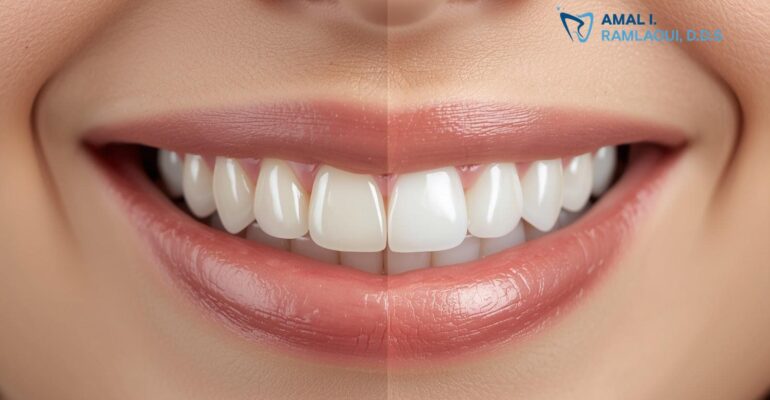
How Long Do Veneers Last? Cost, Care & What to Expect
How long do veneers last is the first question most patients ask before committing to a smile makeover — and it’s the right question to ask. Veneers are one of the most popular cosmetic dental treatments in the country, but they’re also a real investment. You deserve a straight answer.
The short version: porcelain veneers typically last 10 to 15 years, and composite veneers last 5 to 7 years. But those numbers don’t tell the whole story. Your habits, your bite, and even your choice of dentist all play a significant role in how long your veneers hold up.
In this guide, we’ll break down the 5 most important factors that affect veneer lifespan, share tips to make them last as long as possible, and help you figure out whether veneers are the right move for your smile.
Table of Contents
- How Long Do Veneers Last — The Direct Answer
- Types of Veneers & Their Lifespan
- 5 Factors That Determine How Long Veneers Last
- How to Make Your Veneers Last Longer
- How Much Do Veneers Cost in San Jose?
- Veneers vs. Invisalign — Which Is Right for You?
- Frequently Asked Questions
How Long Do Veneers Last — The Direct Answer
Let’s cut right to it. On average:
- Porcelain veneers last 10–15 years (sometimes 20+ with excellent care)
- Composite veneers last 5–7 years before they start to show wear or staining
Those ranges aren’t arbitrary — they come from decades of clinical research and real-world patient outcomes. According to the American Dental Association, porcelain is among the most durable dental materials available, which is a big reason why it’s the go-to choice for veneers.
🔗 American Dental Association — Dental Veneers Overview
That said, the lifespan of any veneer isn’t fixed — it’s heavily influenced by how you treat them day to day. Keep reading to see exactly what makes the difference.
Types of Veneers & Their Lifespan
Porcelain Veneers
Porcelain veneers are the gold standard. They’re thin ceramic shells custom-crafted to fit over the front surface of your teeth, and they look incredibly natural — so natural that most people can’t tell the difference. Porcelain is stain-resistant, strong, and designed to last.
At Ramlaoui DDS, porcelain veneers are our most popular cosmetic treatment because patients consistently tell us the results look and feel just like their natural teeth. Better, actually.
- Average lifespan: 10–15 years
- Highly stain-resistant
- Most natural-looking result
- Requires minimal tooth reduction for placement
Composite Resin Veneers
Composite veneers are applied directly to the tooth surface in a single appointment and shaped by hand. They’re a more affordable entry point into cosmetic dentistry — but they come with trade-offs.
- Average lifespan: 5–7 years
- More budget-friendly upfront
- Easier to repair when chipped or cracked
- More susceptible to staining over time
For patients who want to test the waters before committing to porcelain — or who have a tight budget right now — composite can be a smart starting point. But most patients who want the longest-lasting results go with porcelain.
5 Factors That Determine How Long Veneers Last
This is the section that separates patients who get 10 years out of their veneers from those who get 18. Here are the five biggest factors:
1. How Long Veneers Last Depends on Your Oral Hygiene
The veneers themselves don’t decay — but the teeth underneath them can. Bacteria that build up along the gumline can cause issues that eventually compromise the bond between your veneer and your tooth. Brush twice a day with a soft-bristled toothbrush, use non-abrasive toothpaste, and floss every single night.
This isn’t optional. Patients who skip their home care routine consistently see shorter veneer lifespans — and higher replacement costs down the road.
2. Eating Habits
Veneers are durable, but they’re not indestructible. Biting into very hard foods — think ice, hard candies, crusty baguettes, or corn on the cob — puts excess stress on the bonding. Over time, this can cause chipping or debonding, especially with composite veneers.
A few small habit adjustments go a long way: cut hard foods before eating them, and never use your teeth as tools for opening packages.
3. Bruxism (Teeth Grinding)
Bruxism — the clinical term for teeth grinding — is one of the leading causes of premature veneer failure. Many people grind their teeth at night without even knowing it. The repeated force slowly chips away at veneers and can weaken the bond over months or years.
If you grind your teeth, a custom night guard is a non-negotiable. It’s a small investment that protects a much larger one.
4. Your Dentist’s Skill and Technique
Not all veneer placements are equal. The precision of the tooth preparation, the quality of the dental lab used, and the accuracy of the bite adjustment all affect how well your veneers perform long-term. An experienced cosmetic dentist who specializes in veneers is going to deliver a significantly better result than a generalist who places them occasionally.
At Ramlaoui DDS, cosmetic dentistry is a core focus of our practice — not an afterthought.
5. Consistent Dental Checkups
Routine dental visits every six months allow your dentist to check the margins of your veneers, catch early signs of wear, and professionally clean them so they stay looking their best. The CDC recommends regular dental checkups as a cornerstone of long-term oral health — and that’s especially true when you’ve invested in veneers.
🔗 CDC — The Importance of Oral Health
How to Make Your Veneers Last Longer
Want to squeeze every year possible out of your veneers? Here’s the maintenance routine we recommend to all of our San Jose patients:
- Brush twice daily with a soft-bristled toothbrush and non-abrasive, fluoride toothpaste
- Floss every night to keep gum tissue healthy around the veneer margins
- Rinse with water after drinking coffee, red wine, or tea (especially important for composite veneers)
- Avoid biting hard foods directly with your front teeth — use a knife and fork
- Don’t chew on pens, ice, or fingernails
- Wear a custom night guard if you grind or clench your teeth
- See your dentist every six months without skipping
Patients who follow this routine consistently are the ones who come back 15 years later and still love their smile. It’s not complicated — it just requires consistency.
How Much Do Veneers Cost in San Jose?
Veneer costs vary based on material, the number of teeth being treated, and the complexity of your case. Here’s the general range in the San Jose area:
- Porcelain veneers: $900 – $2,500 per tooth
- Composite veneers: $250 – $1,500 per tooth
Veneers are typically considered a cosmetic procedure, which means dental insurance usually won’t cover them. However, many of our patients are surprised by how manageable the total cost is when they spread it out with a financing plan — especially when you factor in a 10–15 year lifespan.
During your consultation at Ramlaoui DDS, we’ll go over every cost detail upfront so there are no surprises. We’ll also let you know if other treatments — like Invisalign first — might actually be a better fit for your goals.
Veneers vs. Invisalign — Which Is Right for You?
This is one of the most common questions we get at our San Jose practice, and it’s worth addressing directly.
Veneers and Invisalign solve different problems:
- Veneers are a cosmetic solution — they instantly cover chips, stains, gaps, and minor misalignment. Results are visible within a few appointments.
- Invisalign is an orthodontic solution — it physically moves your teeth into proper alignment over several months. The result is a corrected bite and straighter teeth.
Some patients are better suited for veneers. Others need Invisalign first, then veneers. And some are great candidates for one or the other alone. The only real way to know is a proper evaluation.
👉 Read More: Invisalign vs. Veneers — Which Is Right for Your Smile?
Veneers in San Jose — Schedule Your Consultation at Ramlaoui DDS
If you’ve been researching how long veneers last and want to know exactly what’s right for your smile, the best next step is a one-on-one consultation. There’s no obligation — just a chance to get honest answers from a team that genuinely cares about your results.
We serve patients throughout San Jose and the surrounding Bay Area. Whether you’re ready to move forward or just starting to explore your options, we’d love to meet you.
📞 Book your consultation with Ramlaoui DDS today — your best smile starts here.
FAQs — How Long Do Veneers Last & More
How long do veneers last on average?
Porcelain veneers typically last 10 to 15 years with proper care. Composite veneers average 5 to 7 years. Patients who maintain excellent oral hygiene and attend regular checkups often get more than the average out of both.
Can veneers last 20 years?
Yes — it’s not common, but it’s absolutely possible with porcelain veneers and diligent maintenance. Factors like not grinding your teeth, avoiding hard foods, and seeing your dentist consistently all contribute to a longer lifespan.
Do veneers chip or break easily?
Under normal daily use, porcelain veneers are quite durable. They can chip if you bite into something very hard or sustain a direct impact. Composite veneers are slightly more fragile but easier and less expensive to repair when damage does occur.
Are veneers a permanent procedure?
Veneers are considered irreversible because a small amount of enamel is removed to place them — meaning you’ll always need veneers on those teeth. However, the veneers themselves are not permanent and will need to be replaced after 10 to 15 years.
Are veneers worth the investment?
For the right patient, absolutely. Veneers deliver a dramatic cosmetic improvement quickly, and when they’re well cared for, the cost per year over their lifespan is quite reasonable. More importantly, patients consistently report a major boost in confidence and quality of life after getting veneers.
Does insurance cover veneers?
Most dental insurance plans classify veneers as cosmetic, which means they aren’t typically covered. Financing options can make the investment much more manageable — ask our team at Ramlaoui DDS about payment plans during your consultation.
Final Thoughts
How long do veneers last comes down to three things: the material you choose, the skill of your dentist, and the care you put in afterward. With porcelain veneers placed by an experienced cosmetic dentist and a solid maintenance routine, you can realistically enjoy a beautiful smile for 15 years or more.
The team at Ramlaoui DDS is here to answer every question, walk you through all your options, and make sure you feel completely confident before taking any next step. No pressure. Just great dentistry.

