
Tooth Pain When Biting? 7 Possible Causes You Shouldn’t Ignore
Tooth Pain When Biting? 7 Possible Causes You Shouldn’t Ignore
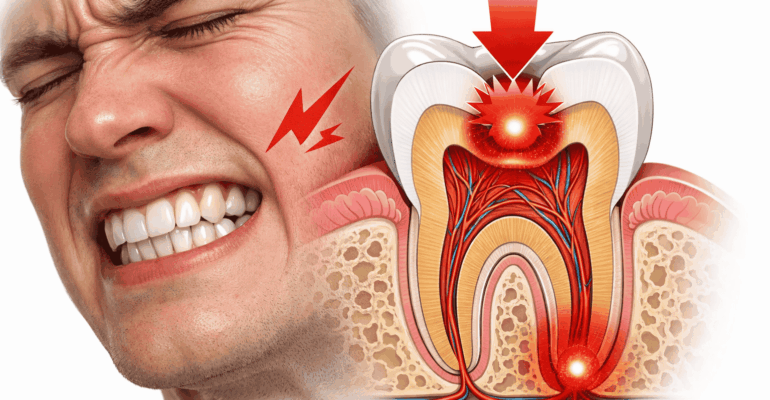
Experiencing tooth pain when biting can be uncomfortable and concerning. Many people notice a sudden sharp pain when chewing food or applying pressure to a specific tooth. While the discomfort may seem minor at first, it can often indicate an underlying dental problem that should not be ignored.
Pain when biting can be caused by several issues, including cavities, cracked teeth, gum disease, or infection inside the tooth. Identifying the cause early can help prevent more serious dental complications.
According to the American Dental Association, persistent tooth pain is one of the most common signs that a dental evaluation may be necessary.
In this guide, we’ll explain the most common causes of tooth pain when biting, treatment options, and when to see a dentist.
Table of Contents
- What Tooth Pain When Biting Means
- 7 Common Causes of Tooth Pain When Biting
- When You Should See a Dentist
- Treatment Options
- Prevention Tips
- Frequently Asked Questions
What Does Tooth Pain When Biting Mean?
If you feel discomfort when biting down, it usually means that pressure on the tooth is affecting the nerve or surrounding tissues.
Healthy teeth should be able to tolerate normal chewing pressure. When pain occurs, it may indicate:
- Tooth structure damage
- Infection inside the tooth
- Gum inflammation
- Problems with dental restorations
Untreated dental problems can worsen over time, so early diagnosis is important.
For additional information about tooth pain and oral health, the National Institute of Dental and Craniofacial Research provides helpful resources about dental conditions.
7 Common Causes of Tooth Pain When Biting
1. Cracked Tooth
A cracked tooth is one of the most common reasons people experience tooth pain when biting. Even a small crack can cause sharp pain when pressure is applied during chewing.
Symptoms may include:
- Sharp pain when chewing
- Sensitivity to hot or cold foods
- Pain that comes and goes
Dentists often treat cracked teeth with dental crowns to protect and strengthen the tooth.
2. Tooth Decay (Cavities)
Cavities occur when bacteria break down the protective enamel of the tooth. As decay progresses, the inner layers become exposed and sensitive.
Pressure from chewing can then trigger pain.
Common signs include:
- Persistent toothache
- Sensitivity to sweet or cold foods
- Visible holes or dark spots on teeth
Early cavities are usually treated with dental fillings.
3. Dental Abscess
A dental abscess is a serious infection that forms near the root of a tooth. It can cause intense pain when biting or chewing.
Symptoms may include:
- Severe tooth pain
- Swelling in gums or face
- Bad taste in the mouth
- Fever or fatigue
According to the Mayo Clinic, untreated dental abscesses can lead to serious complications if infection spreads.
Treatment often includes root canal therapy to remove the infection.
4. Gum Disease
Gum disease affects the tissues that support teeth. When gums become inflamed or infected, teeth may feel sore when pressure is applied.
Common signs include:
- Bleeding gums
- Swollen or red gums
- Persistent bad breath
Professional dental cleanings and periodontal treatments can help control gum disease.
5. Worn or Damaged Fillings
Dental fillings can wear down over time. When this happens, biting pressure may be unevenly distributed across the tooth.
This can cause discomfort or sensitivity while chewing.
Replacing worn fillings often resolves the problem.
6. Tooth Sensitivity
If tooth enamel becomes thin or damaged, the dentin layer underneath may become exposed. This can lead to sensitivity when chewing or eating hot, cold, or sweet foods.
Tooth sensitivity may also occur due to:
- Aggressive brushing
- Gum recession
- Acidic foods
Using toothpaste for sensitive teeth can help reduce symptoms.
The Centers for Disease Control and Prevention emphasizes that maintaining good oral hygiene is essential for preventing dental problems.
7. Teeth Grinding (Bruxism)
Teeth grinding places excessive pressure on teeth and jaw muscles. Over time, this can lead to tooth pain when biting.
Signs of teeth grinding include:
- Jaw soreness
- Morning headaches
- Worn or flattened teeth
Dentists often recommend a custom night guard to protect teeth.
When Should You See a Dentist?
Occasional mild discomfort may improve on its own. However, persistent tooth pain when biting should always be evaluated by a dentist.
You should seek professional care if:
- Pain lasts longer than two days
- The discomfort worsens when chewing
- Swelling or fever develops
- A tooth appears cracked or damaged
Early treatment helps prevent more serious dental problems.
How Dentists Treat Tooth Pain When Biting
Treatment depends on the underlying cause. After examining your teeth and possibly taking X-rays, a dentist may recommend:
- Dental fillings
- Dental crowns
- Root canal treatment
- Gum disease therapy
- Night guards for teeth grinding
How to Prevent Tooth Pain When Biting
Preventive care is the best way to avoid dental discomfort.
Here are a few habits that help maintain healthy teeth:
- Brush twice daily with fluoride toothpaste
- Floss every day
- Avoid chewing ice or hard objects
- Limit sugary foods and drinks
- Visit your dentist regularly
Routine dental visits help detect problems early before they cause pain.
Frequently Asked Questions
Why does my tooth hurt when I bite down but not otherwise?
Pain only when biting often indicates a cracked tooth, cavity, or inflammation around the tooth root.
Can a cavity cause tooth pain when biting?
Yes. Cavities weaken the tooth structure and can cause pain when pressure is applied while chewing.
Is tooth pain when biting a dental emergency?
Persistent pain should always be evaluated by a dentist, especially if swelling or infection symptoms are present.
Can tooth pain when biting go away on its own?
Sometimes mild irritation improves, but ongoing pain usually indicates a dental issue that requires treatment.
Final Thoughts
Tooth pain when biting can result from several dental issues, including cavities, cracked teeth, infections, or gum disease. While some causes may seem minor at first, persistent discomfort often signals a problem that should be evaluated by a dental professional.
Ignoring dental pain can lead to more serious complications over time. Early diagnosis and treatment help protect your teeth and prevent further damage.
If you’re experiencing tooth pain when biting or chewing, the experienced team at Ramlaoui DDS can help identify the cause and recommend the most appropriate treatment to restore your comfort and oral health.
Scheduling a dental exam is the best step toward resolving the issue and maintaining a healthy smile.

