
Nutrition and Oral Health: Foods for Healthy Teeth & Gums
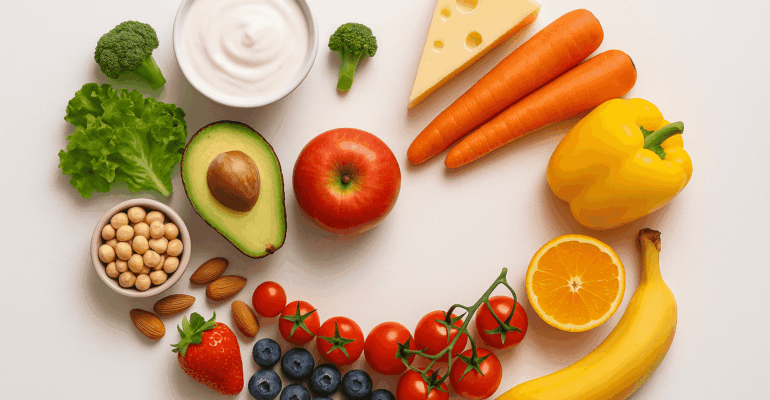
Nutrition and Oral Health: Foods for Healthy Teeth & Gums
In our quest for a healthy lifestyle, we often prioritize gym routines or balanced meals, but how often do we consider the impact of nutrition on our oral health? What we eat doesn’t just fuel our bodies—it directly affects our teeth and gums. From strengthening enamel to preventing decay, the right foods can be powerful allies, while others can sabotage your smile. This blog explores the science behind nutrition’s role in dental health, debunks myths, and provides practical tips to make smarter dietary choices. Whether you’re a foodie or just looking to optimize your routine, these insights will help you nourish your way to better oral wellness.
The Science of Nutrition and Oral Health
Your mouth is a bustling ecosystem where nutrients play key roles in maintaining balance. Calcium and phosphorus build strong enamel, vitamin C supports gum health, and antioxidants combat inflammation. Poor nutrition can lead to deficiencies that weaken teeth, increase decay risk, or exacerbate gum disease. Conversely, a nutrient-rich diet acts as a first line of defense, reducing the need for invasive treatments.
Key Nutrients for a Healthy Smile
Calcium and Phosphorus: The Building Blocks
These minerals are essential for remineralizing enamel and keeping teeth strong. Dairy products, leafy greens, and nuts are excellent sources.
Know-How Tip: Aim for 1,000–1,200 mg of calcium daily through foods like yogurt or almonds. Pair with vitamin D (from sunlight or fortified foods) for better absorption. Awareness Point: Deficiencies can lead to softer enamel, making teeth more prone to cavities—common in diets low in dairy or greens.
Vitamin C: Gum Guardian
This vitamin promotes collagen production, vital for healthy gums. Citrus fruits, berries, and bell peppers are packed with it.
Know-How Tip: Incorporate fresh fruits into snacks, but rinse your mouth after to neutralize acids. Awareness Point: Low vitamin C levels are linked to scurvy-like gum issues, affecting up to 7% of adults in some studies.
Antioxidants and Fiber: Inflammation Fighters
Found in fruits, veggies, and whole grains, these help reduce bacterial growth and plaque.
Know-How Tip: Crunchy produce like apples acts as a natural toothbrush, scrubbing away debris. Awareness Point: Diets high in processed foods increase oxidative stress, contributing to periodontitis.
What Foods Are Best for Oral Health (and Which to Avoid)?
| Category | Foods to Embrace | Why They Help | Foods to Limit | Why They Harm |
| Dairy & Alternatives | Cheese, Milk, Yogurt | Neutralizes acids, provides calcium | Sugary Yogurts | Added sugars feed bacteria |
| Fruits & Veggies | Apples, Carrots, Strawberries | Natural cleaners, vitamin-rich | Citrus (in excess) | Acids erode enamel |
| Proteins | Nuts, Fish, Lean Meats | Phosphorus for enamel, omega-3s for gums | Processed Meats | High sodium inflames gums |
| Beverages | Water, Green Tea | Hydrate, antioxidants reduce bacteria | Soda, Sports Drinks | Acids and sugars cause decay |
Myth vs. Fact: Debunking Dietary Misconceptions
Myth 1: All Fruits Are Great for Teeth
Fact: While fruits offer vitamins, acidic ones like oranges or tomatoes can soften enamel if consumed frequently without moderation. It’s the frequency and combination that matter—not avoidance. Know-How Tip: Eat acidic fruits with meals to buffer acids with other foods.
Myth 2: Sugar-Free Gum Is Just a Breath Freshener
Fact: Chewing xylitol-sweetened gum stimulates saliva, which neutralizes acids and remineralizes teeth. It’s a proven cavity fighter. Know-How Tip: Chew for 20 minutes after meals if brushing isn’t possible. Awareness Point: Studies show regular use can reduce decay by up to 40%.
Myth 3: Dairy Is Bad for Oral Health Due to Lactose
Fact: Lactose in dairy is less harmful than other sugars, and the benefits (calcium, probiotics in yogurt) outweigh minor risks for most. Lactose-intolerant? Opt for lactose-free or plant-based alternatives fortified with calcium. Know-How Tip: Opt for hard cheeses like cheddar, which are low in lactose and rich in protective compounds.
Myth 4: Snacking Doesn’t Affect Teeth If It’s Healthy
Fact: Even healthy snacks like dried fruits can stick to teeth, providing a constant food source for bacteria. Frequent snacking keeps the mouth pH acidic. Know-How Tip: Limit snacks to mealtimes and choose non-sticky options.
Practical Tips for Tooth-Friendly Eating
- Hydrate Wisely: Drink water throughout the day to wash away food particles and maintain saliva flow.
- Balance Your Plate: Follow a “rainbow diet” with a variety of colorful vegetables and fruits for a diverse range of nutrients.
- Time Your Treats: Enjoy sweets or acids during meals rather than as standalone snacks to minimize exposure.
- Supplement Smartly: If dietary gaps exist (e.g., vegan diets low in B12), consider supplements after consulting a professional.
- Monitor Changes: Notice increased sensitivity? It could signal nutritional imbalances—track your diet and adjust.
Wrapping Up: Fuel Your Smile
Nutrition is a silent partner in your oral health journey, influencing everything from enamel strength to gum resilience. By choosing foods wisely and debunking myths, you can prevent issues before they start, leading to fewer dental visits and a more vibrant smile. Small dietary tweaks yield big rewards—start today for a healthier tomorrow.

